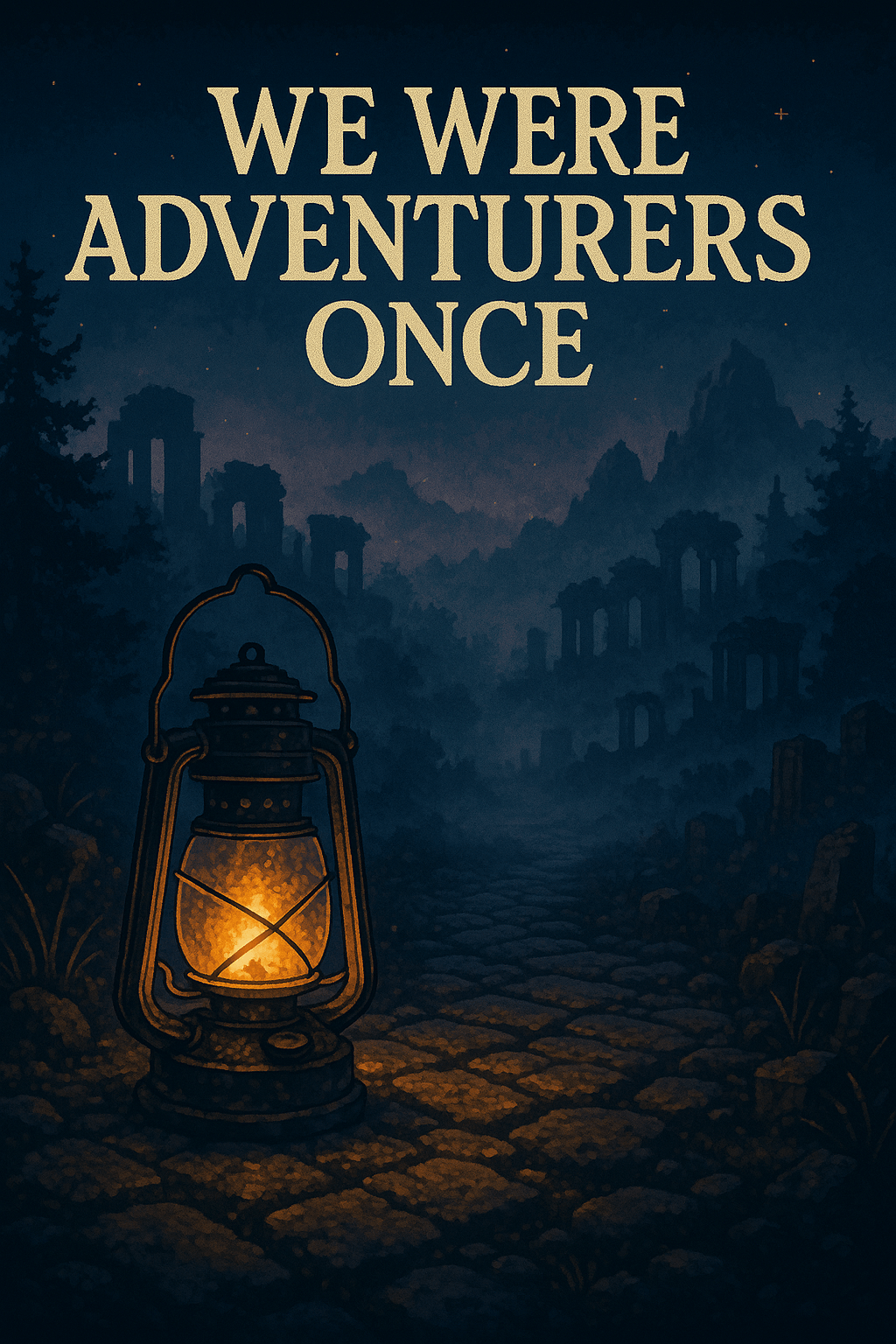
Do you remember the first time you played a text adventure? The flicker of the CRT, the clack of the keyboard, and the quiet hush of the world falling away as your imagination took center stage? There were no flashy cut scenes or bloated installs. Just you, a blinking cursor, and a voice—written in humble lines of code—that whispered, “You are standing at the edge of a forest. What do you do?”
And with that, the entire world opened up.
Text adventures aren’t just games. They’re a communion between author and player, a secret meeting place where words ignite imagination like flint on dry kindling. They didn’t need to cost $90 or require day-one patches. They didn’t crash, glitch, or demand micro transactions to unlock what should’ve been yours from the beginning. They were stories—crafted with love and wonder—and they asked only that you bring your mind, your heart, and your sense of curiosity.
Today, it’s easy to feel lost in the glittering chaos of the modern gaming industry. Every new release seems louder, more expensive, and somehow… emptier. Developers now answer to shareholders, not storytellers. Games are no longer finished works of art but broken promises sold in pieces. We are told this is progress. But is it?
I don’t think so.
What we’ve lost is soul. And somewhere in the wreckage of DLCs, live service models, and soulless remakes, the spirit of true adventure—the kind that lives in silence between keystrokes—has been buried.
But it’s not gone. Not really.
That spirit lives on in the text adventures that still wait patiently on forgotten hard drives and fan forums. It thrives in hand-written scripts coded in old BASIC, in ASCII maps drawn with love, and in descriptions that take you further than the highest resolution ever could. You don’t need ray tracing when your mind renders the scene in perfect clarity. You don’t need voice acting when the words echo in your own voice, tailored by your imagination. It’s you that brings the world to life. And that… that is priceless.
Text adventures remind us that games can be more than distractions—they can be poetry. They can challenge you, surprise you, and most of all, include you in their telling. They don’t just throw spectacle at you. They ask questions. “What now?” they ask. And your answer shapes everything.
We don’t need soulless corporations to dictate what makes a good game. We don’t need billion-dollar budgets to feel something real. What we need—what we’ve always needed—is honesty, creativity, and play. True play. The kind that isn’t afraid to be simple. The kind that welcomes everyone without algorithmic manipulation or loot box addiction. The kind that respects your time, your intelligence, and your imagination.
So maybe it’s time to go back. Not out of regression, but restoration. To remember what it meant to truly explore. To be the one typing “light lantern” in the dark. To once again feel that tug of mystery when the game says, “You hear something scratching behind the door.” And you lean forward. And your heart quickens. And you care.
Let’s make games art again. Let’s rediscover the joy of being a part of the story, not just a consumer of spectacle. Let’s keep the lantern lit—not just for nostalgia’s sake—but because it still guides us to something better.
Something real.
— And may the lantern guide your way on the adventure of life.
 The Ventureweaver
Leave a comment